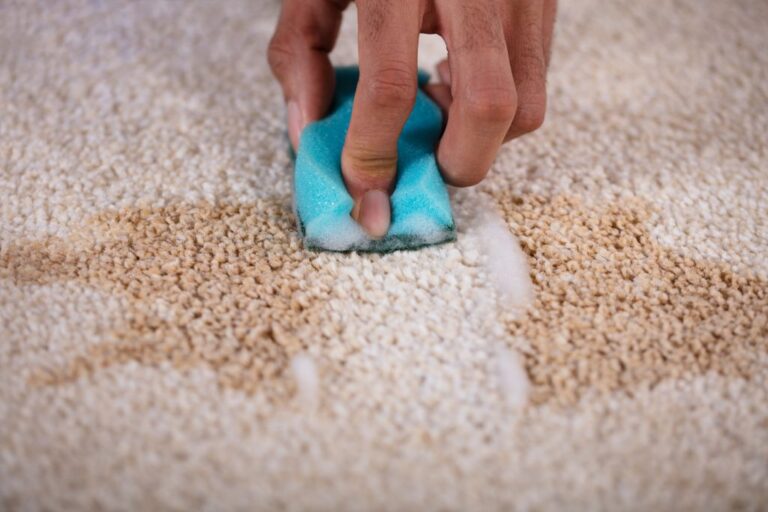
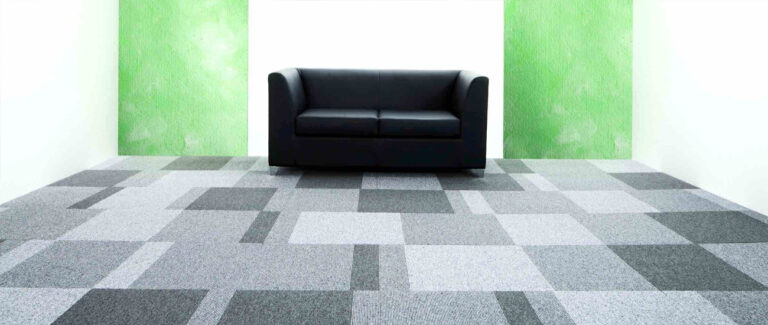
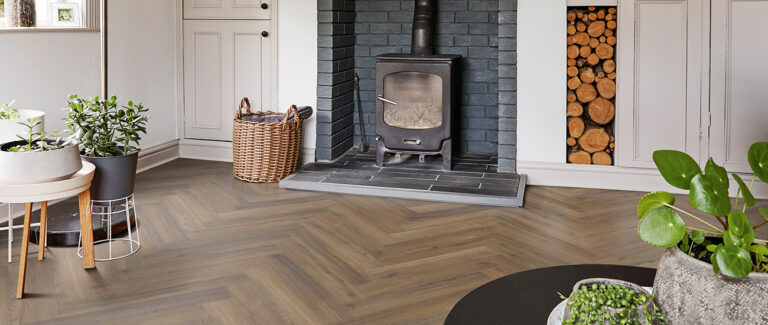
When choosing the floors for a hospital environment, there are some important factors that need to be taken into account. Ideally, your hospital flooring should be able to withstand heavy foot traffic, shouldn’t be too slippery, and shouldn’t cause health risks to your patients and visitors. Choosing the right hospital floor material will ensure the safety of your patients and staff and ensure that everyone’s job goes smoothly.
In this guide, we’ll cover some of the most popular options for hospital flooring. These materials are ideal for their accessibility, hygienic properties, and durability. We’ll also cover some of the different areas in a hospital that require flooring, so you can choose your ideal material for each room.
LVT flooring for hospitals
Luxury vinyl tile flooring is a popular choice in hospitals due to its durability and versatile looks. LVT floors are constructed from several layers of vinyl, which are then coated in a wear layer designed to prevent scratches and scuffs. This gives them a long lifespan and makes them resistant to heavy foot traffic and general wear and tear.
LVT features an image layer that lets you emulate the look of other materials (such as wood) in your hospital, which makes it a versatile choice for nailing your interior design. Its smooth surface also prevents the build-up of dust and allergens, making it a hygienic choice for flooring, and many designs come with non-slip options.
While some options are less expensive than LVT, and its difficult repairs can put some customers off, it’s a strong all-round choice for flooring in hospital environments.
Pros
- Hypoallergenic
- Durable and resistant to foot traffic
- Non-slip options available
Cons
- More expensive than other flooring
- Image layer can look artificial compared to real materials
- Difficult repairs
Laminate flooring for hospitals
For a cheaper option with easy maintenance, you may consider laminate flooring for some areas of your hospital. While LVT’s wood effect can look artificial in some designs, laminate floors use a convincing pattern for an authentic wood finish. They’re easy to install, cost-effective, and able to deal with heavy traffic in communal areas. Laminate is also easy to clean, meaning you won’t have to deal with an extensive maintenance routine to keep it looking great.
The biggest downside to laminate flooring in hospitals is its porous nature, which can harbour allergens and dust. This makes it risky to use in areas of your hospital where hygiene is a priority, so your laminate floors are best suited for communal areas such as your hospital’s entrance rather than any rooms where medical practices may be taking place.
Pros
- Cost-effective
- Easy installation and maintenance
- Realistic wood effect
Cons
- Potential hygiene risks if cleaning isn’t frequent
- Porous nature can lead to moisture damage
- Less suitable for medical scenarios than other flooring
Sheet vinyl flooring for hospitals
Sheet vinyl is a very affordable option for hospital flooring, and its easy installation allows you to join multiple sheets seamlessly, which reduces the risk of allergens and dust creeping into gaps in your flooring. Most vinyl floors are resistant to bacteria overall, and their low-maintenance nature makes regular cleaning a breeze. Plus, many vinyl sheets are non-slip, meaning your floors can deal with heavy use without causing a trip hazard to your staff and patients.
There are, however, a few disadvantages to vinyl in hospitals. Your sheets may warp or crease over time, leading to uneven flooring if repairs aren’t administered. Some sheets can also emit volatile organic compounds (VOCs) for a while after being installed, which can affect people with respiratory problems. As such, we recommend choosing a low VOC option or waiting to use your vinyl floors until the levels of these chemicals have dropped.
Pros
- Easy, seamless installation for improved hygiene in the long term
- Very affordable and durable
- Simple to clean
- Non-slip options available
Cons
- Risk of VOCs after installation
- Tears and creases can cause trip hazards if not repaired
- Not as aesthetically pleasing as other options
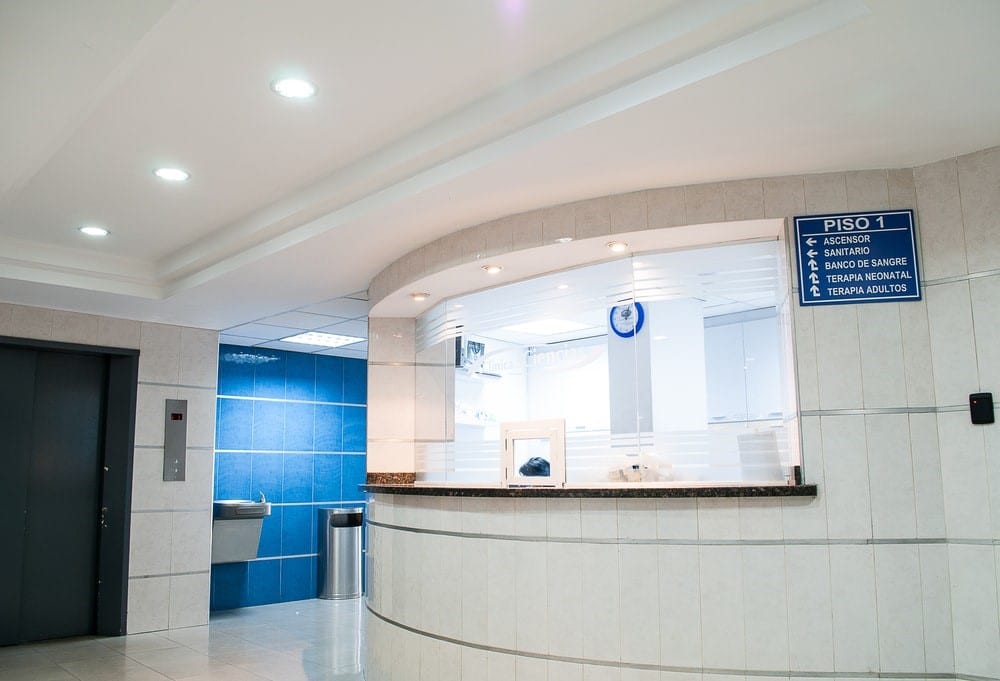
Which flooring is best for different hospital rooms?
Entrance area
Your entrance area flooring should be resistant to heavy traffic and easy to clean, as this will be the part of your hospital that receives the most use from the general public. We recommend low-maintenance hard flooring, such as laminate, for these areas.
Operating theatre
An operating theatre requires a very sterile, hygienic environment. Any accidents could have major consequences, so a steady foundation is essential. Non-slip LVT flooring would be a great fit for an operating theatre, as it’s easy to clean, hypoallergenic, and easy to walk on without the risk of tripping.
Emergency room
A hospital’s emergency room needs to be hygienic to reduce the risk of infections spreading. The floors of these rooms should be smooth and easy to clean to prevent the buildup of allergens. This is why sheet vinyl is a great fit for emergency rooms, as its seamless integration makes it resistant to bacteria. Plus, its non-slip properties allow guests to move freely without risking accidents.
Conclusion
You should now understand what goes into choosing the right hospital flooring for your establishment. Make sure you’re mindful of the hygienic properties of your flooring materials, and clean your floors regularly to prevent any buildup.
Looking for your ideal hospital floor material? Browse Flooring King’s website to find high quality options at low prices. Whether you’re redecorating your entrance area or building a new emergency room, you’ll find great hospital flooring in our range. Get in touch today to see how we can help with your project.