About Primers
Primers are preparation products used between a suitable base and the next layer of a flooring system; the selected formulation has a defined purpose for the surface it is applied to, with compatibility set out in the product information.
You see the decorative covering after the room is finished, but the bond between hidden layers matters to that result; a primer is one of those layers. Its role depends on the materials around it, rather than on the colour or style of the floor at the top of the build.
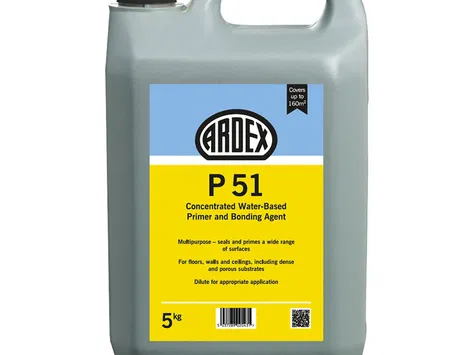
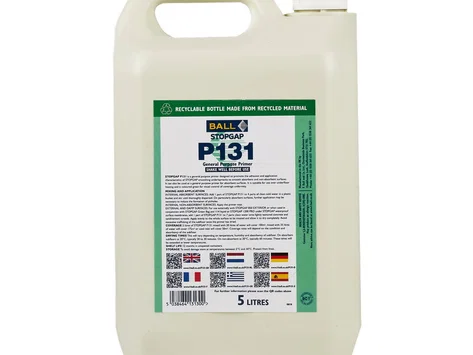
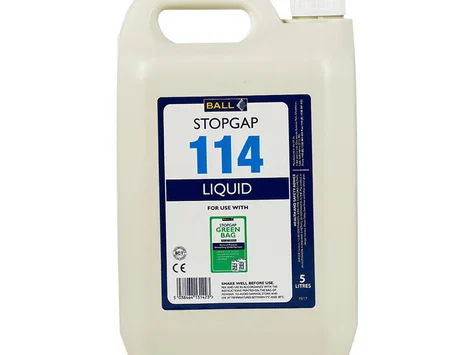
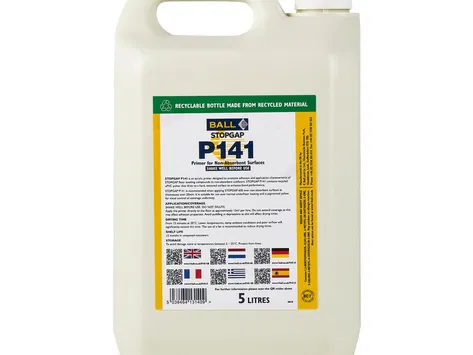
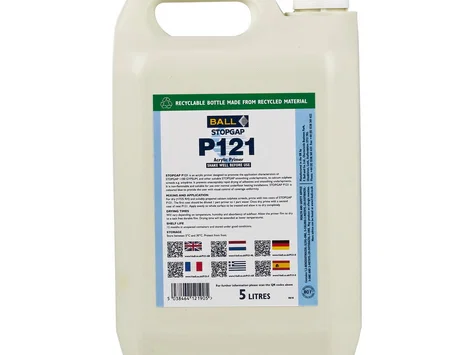
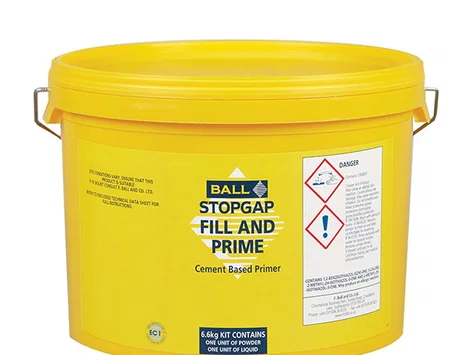
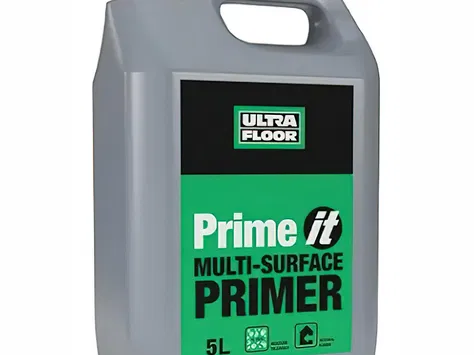
The supplied primer may look like a simple liquid, but its formulation determines how it works with the next layer; you can have products for different bases within the same manufacturer’s range. The container label identifies the exact material, with its technical sheet describing the approved role below the finished floor.
You can browse flooring accessories within our wider flooring selection.
What is a floor primer
A floor primer prepares a suitable base for the material that will be applied over it. Depending on the product, it can help control absorbency or support adhesion between layers. The exact purpose belongs to the selected primer and the surface it is approved for.
You will not see the primer after the floor is finished, but it forms part of the preparation beneath the covering; a base that absorbs water and a dense, less absorbent surface can need different treatment. Primer products are made for those defined conditions within a flooring system.
Primers and the surface beneath them
Concrete and an existing floor surface can behave differently when a new preparation material is applied. Even two cement-based surfaces can have different levels of absorbency. The primer choice relates to the actual base and the layer that follows it.
Some products have different dilution rates for different uses, while others have their own ready-to-use form; those properties are specific to the formulation. A similar colour in the container does not establish that two primers have the same role. The approved surface types are part of the product information.
You can also find floor smoothing compounds among the related products across the Flooring King catalogue.
A layer within the floor build
A primer often sits beneath a smoothing compound, although its position depends on the specified system; the next layer needs a suitable surface for bonding, and the primer is one part of achieving that relationship between materials.
Primer does not replace a damp-proof membrane unless the product is expressly designed and approved for that purpose; it also does not correct uneven levels in the base. Those jobs belong to other materials within the floor build. You get a sound finished surface from the combined preparation, rather than from primer alone.
Product quantities and drying times
The area covered by a container depends on the primer and the condition of the receiving surface; a more absorbent base can affect material use, while some products have a stated rate for a defined application. Pack size and coverage are related but different details.
Drying times also depend on the selected formulation and the conditions in the room; the next layer belongs within the time limits stated for that system. You can find the relevant figures in the product data. The primer forms a thin layer beneath the finished floor.