About Wood Underlay
Wood Underlay is part of the layer beneath your finished floor; the material above it determines the kind of support required, while the underlay’s construction affects its firmness and other stated properties. It is a hidden part of the room with a practical role in everyday use.
You may associate underlay with a softer carpet, but products made for board floors have different requirements; the chosen floor system establishes the appropriate type. A named underlay range narrows that selection without making every thickness or material suitable beneath every covering.
A carpet underlay may have a stated thermal value as well as a thickness, while a board-floor underlay can have data for compression and sound; you get different information because the materials have different roles. The figures describe the exact product within its intended use, rather than a general ranking of all underlay types.
You can browse Underlay within our wider flooring selection.
What is flooring underlay
Underlay is a separate layer beneath a floor covering; its purpose depends on the material above it, so a carpet underlay and a product made for a laminate board have different properties. The layer can affect the feel of the floor and forms part of the complete build.
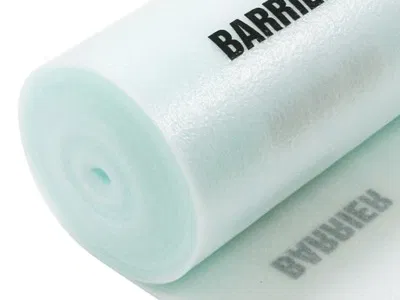
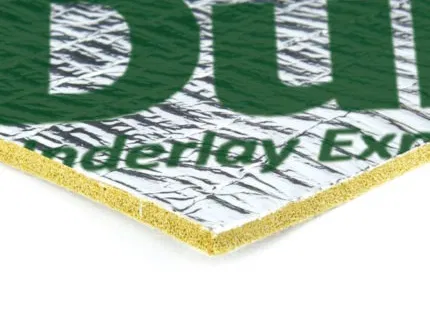
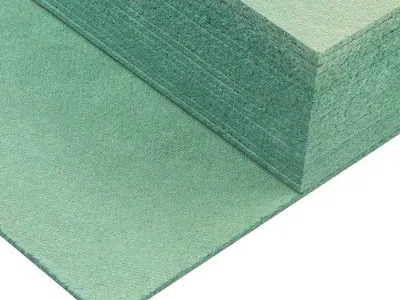
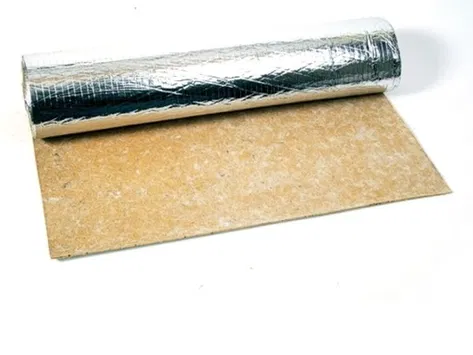
You do not see the underlay once the floor is finished, but its firmness and thickness can influence everyday use. Different products use different materials, from foam-based layers to denser constructions. The intended floor type determines which of those properties matter.
Underlay and comfort underfoot
With carpet, a suitable underlay can add cushioning beneath the pile and change the feel as you walk across the room; a board floor needs a different kind of support, since its joints and core rely on the base remaining within the maker’s limits.
A softer product is therefore not always a better choice; you may want cushioning beneath a carpet, while a click floor can require a firmer layer with controlled compression. The same word, underlay, covers materials made for those different jobs beneath your feet.
You can also find Engineered Wood Flooring among the related products across the Flooring King catalogue.
Sound and the feel of a room
Some underlays have published acoustic data relating to impact sound or the sound heard within a room; those measurements describe a tested floor build, and the result in your home depends on more than the loose underlay alone.
A room with a board floor may sound different from one with carpet even when both have a layer beneath them; the floor covering and the structure below it each play a part. An acoustic label is useful product information, but it does not make every underlay a complete soundproofing system.
Floor height and heating systems
Underlay adds to the depth of the finished floor, which matters where two surfaces meet at a doorway. Thickness is one measurement, while resistance to compression describes another part of its behaviour. Those details can differ between products with a similar appearance.
Underfloor heating also changes the requirements for the floor build; the thermal resistance of the covering and its underlay affects heat transfer into the room. Products approved for that use have their own stated limits. Some floors have an attached backing and may not permit an extra layer beneath them.