Engineered wood flooring is a popular, cost-effective alternative to solid wood floors. There are a number of factors to consider when finding the right engineered wood for your home, such as its design, colour, and price, but the thickness of your planks is also very important.
Your engineered wood floor thickness affects more of your design than you may expect. In this guide, we’ll show you how thick engineered wood flooring is, the different thicknesses available, why they matter, and more. By the end, you should be ready to choose the perfect engineered wood flooring thickness for your home.
Why does the thickness of engineered wood flooring matter?
The thickness of your engineered wood floor has an impact on a range of aspects of your design. The main difference is durability, as thicker boards can withstand heavier foot traffic. Thicker engineered wood can be refinished more times throughout its life as well, meaning you can use your wooden floors for longer before needing a replacement. A thicker board can also provide a sturdier foundation for your room, with less chance of movement in your floors.
On the other hand, thinner boards tend to be more affordable. This means that while you may face a greater risk of damage, you can save money on flooring your areas that won’t receive as much footfall. If you’re looking for an overall guide to how much you might pay, our guide on the cost of engineered wood is a good place to start.
What thicknesses of engineered wood are available?
Engineered wood floors are typically available in thicknesses ranging from 10mm to 20mm. Thicker engineered wood, such as 20mm options, are typically used for commercial-grade buildings that receive plenty of traffic. They’re also used in areas where the humidity and temperature are likely to fluctuate.
Thin engineered wood flooring, such as 10mm boards, are often used in areas with height restrictions or secondary rooms that won’t see much use. They’re also a popular choice for areas with underfloor heating, as thin floors allow for faster heat transfer. Thin engineered wood is also easier to install than other options, making it a useful choice for DIY projects.
What is the best thickness for engineered wood flooring?
The right thickness for your engineered flooring will depend on your priorities and the room you’re looking to floor. You should pay attention to budget, durability, and foot traffic levels when finding the right fit for your home.
Typically, 14mm engineered wood or similar thicknesses will strike a strong balance for communal areas in your home. With planks thick enough to resist a lot of footfall and stay in position over the years, but at a reasonable cost and without difficult installation, they’re a strong all-round choice for the home.
14mm Engineered Wood Flooring




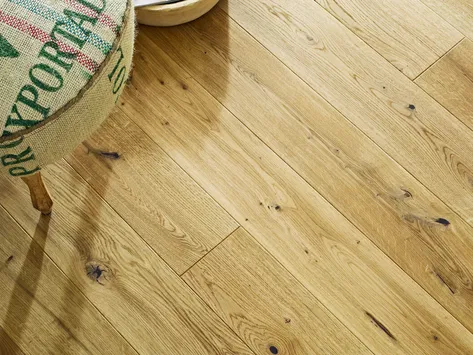


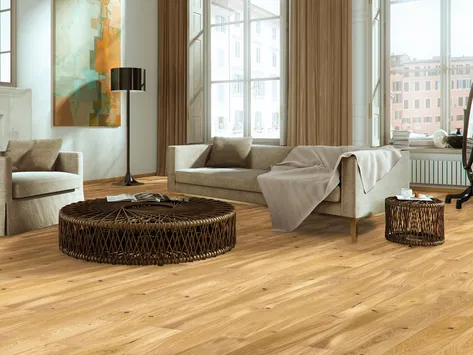


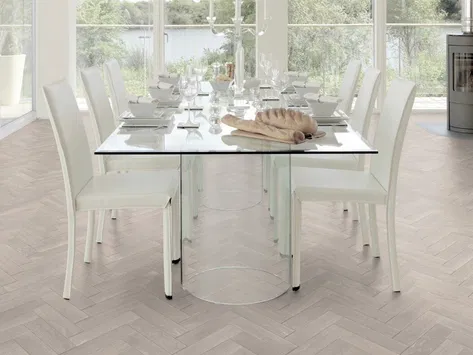


If you’re flooring a commercial area, such as a shop or an office, then consider using 20mm engineered wood. Although its premium cost might put you off the investment, its durability and sound-dampening properties make it perfect for busy workspaces, or for dealing with footfall from customers.
Thinner engineered wood can be added to rooms that don’t see as much traffic, such as lofts, utility rooms, or spare rooms. Although it’s less sturdy and durable than other options, it’s cost-effective and easy to install in a pinch, making it ideal for flooring that won’t need the same level of resistance to daily wear-and-tear.
How thick should the wear layer of engineered flooring be?
One factor that affects the thickness of engineered wood floors is how much protection has been applied to the boards. All engineered wood will have a wear layer applied to the outside for improved durability, meaning you can choose between oiled or lacquered wood among other options.
The thicker your wear layer, the more times your engineered wood can be refinished and the more durable it will be, but the overall dimensions of your boards will also be affected. Wear layers can vary from as little as 1mm to as thick as 6mm, so knowing how much protection has been applied to your wood flooring is important.
Typically, a wear layer thickness of 3mm or higher is recommended for the best results. Be sure to check how thick your wear layer is before buying, and always consult an expert if you’re unsure about the details.
Choosing the right thickness of engineered wood flooring is a difficult decision, but with such a wide range available, you’re sure to find the ideal fit for your home. If you’re still making your choice, be sure to browse Flooring King’s range of engineered wood. We offer all the materials you need in a variety of thicknesses, with a great price and excellent customer support to help you through your flooring journey.
If you’re still looking for advice, you can find more tips on our blog, such as our guide to cleaning engineered wood flooring