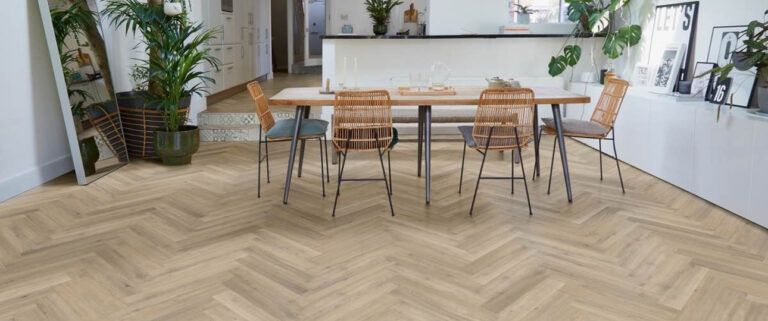
Engineered wood flooring is a cost-effective, durable alternative to solid wood or hardwood flooring, with a multi-layered design that offers better protection against moisture damage. Typically, changes in heat and humidity lead flooring materials to changes in size, which can cause damage if a gap for expansion isn’t left empty.
Our guide will explain whether engineered wood flooring expands, and how you can accommodate to its needs. Read on for everything you need to know about engineered wood expansion gaps:
Does engineered wood expand?
There are no flooring materials that are completely resistant to expansion, but some don’t move as much when faced with changes in the environment. While engineered wood expands much less than other flooring options, it still will move when conditions change in your room.
Before you install your engineered wood, you’ll need to let it expand or contract to suit the climate of your room. This will help you measure your flooring appropriately, as if your engineered wood expands after it’s installed, your dimensions may end up being incorrect. To prevent this, you can acclimate your engineered wood by leaving it in the room you’re planning to install it in for 24-48 hours, which will give your planks time to adjust to the environment.
Why does engineered wood flooring expand?
When the temperature or humidity levels in your room shift, the wood fibres present in engineered wood absorb more moisture from their surroundings. This causes them to swell as they make room for the moisture particles, which causes your planks to take up more space and spread out. On the other hand, your engineered wood floors will get smaller when the levels of moisture in your room decrease.
Engineered wood can become damaged if exposed to high levels of moisture for too long, so it’s important to mop up spills and ensure you don’t use too much water when cleaning your planks.
What is an expansion gap?
To stop your engineered wood from being damaged when it grows or shrinks, you’ll need to include an expansion gap around your flooring. This is an empty space measured around the edges of your floor, which your wood can expand into when it absorbs moisture. As such, it’s less likely to become damaged as it clashes with the edges of your room.
Expansion gaps are typically covered by skirting boards or other moulding around the walls of your room, so you don’t need to worry about visible gaps surrounding your floor.
How big is the expansion gap for engineered wood flooring?
A typical engineered wood expansion gap size is 10-15mm (or 3/8 to 1/2 inches). This needs to be measured around every edge of your engineered wood floor, as your wood will expand in all directions. You’ll also need to leave a gap around any other obstacles that your flooring may come into contact with, such as radiator pipes, pillars, any furniture fixed to your subfloor, etc.
The thickness of engineered wood flooring isn’t likely to affect the size of your expansion gap, as your planks will spread out from the centre of the room rather than moving upward
How to install an expansion gap for engineered wood flooring
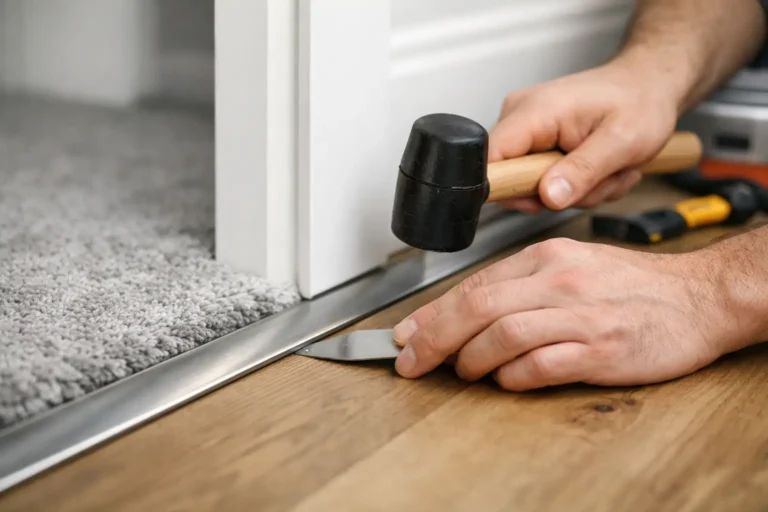
When installing your engineered wood flooring, you can use spacers to ensure your planks stop a particular distance from your walls, helping you keep your expansion gap consistent around the room. When you start with your installation, place your spacers against the walls of your room and begin lining up your planks from their edges. Then, remove them once your floor has been fully installed.
You can then install skirting boards or moulding around the base of your walls to cover the expansion gap that has been left by your spacers. Expansion gaps should also be left for doorways, and are still necessary when installing your flooring in a room with curved or angled walls.
How to fill gaps in engineered wood floor
If your engineered wood floors aren’t given a sufficient expansion gap, you may begin to notice gaps between your planks when they start to contract. Using a humidifier or dehumidifier can help adjust your room’s moisture content to either expand or contract your planks.
If your flooring gaps aren’t due to humidity, you might prefer to use a wood filler that will blend seamlessly with the rest of your floor. Apply your filler carefully with a putty knife, and then sand it down for a smooth finish. You can also use a resin or sawdust mixture to fill your gaps, which will also need to be sanded down after application.
For larger gaps, consider using filler strips, as other methods might not be as effective at covering larger areas.
You should now understand the need for an expansion gap when installing engineered wood, as well as how large your expansion gap should be.
If you’re looking for high-quality engineered wood for your home, trust Flooring King to provide the best deals on top brands. From light engineered wood for a bright finish to your room, to dark engineered wood to give your home a classy feel, you’ll find the perfect fit for your design in our range.
For more information, you can read our guide on what engineered flooring is, or learn how to glue down engineered wood flooring for better installation.