




 Pay in 3 interest-free installments


Engineered wood flooring is known for its durability and lower cost than other wooden flooring options, but another advantage is that this flooring type can be installed in a number of ways. Depending on your choice of wood, engineered wood floors can either be floated over an underlay, or glued directly to your subfloor.
This guide will help with the latter option, giving you tips on gluing engineered wood flooring to ensure your boards are secure once you’ve installed them. Read on for everything you need to know about how to glue engineered wood flooring.
Do you have to glue down engineered wood flooring?
Some types of engineered wood flooring can be floated over a wood underlay, or nailed to your subfloor. However, others need to be glued down to secure your boards. You should always check your manufacturer’s instructions before you install your engineered wood to see which method they recommend.
In short, some engineered wood floors will need to be glued down, but not all options require it. There are advantages and disadvantages to each installation method, but your manufacturer and supplier will know best when it comes to how to install your engineered flooring.
What tools do you need to glue engineered wood flooring?
Before you start to glue down your engineered wood flooring, there are some essential tools you’ll need to help with the process. Here’s a checklist of what you’ll need:
- Suitable adhesive
- Trowel
- Pencil
- Saw
- Measuring tape
You’ll also need to let your engineered wood flooring adjust to its surroundings before you glue it into place. We recommend leaving your wood for 24 to 48 hours before installation to allow it to expand or contract depending on your room’s humidity and temperature levels. This will help to avoid damage in the future, as warping will mean you’ll need to repair your engineered wood, so make sure you plan accordingly to leave enough time for this period.
How to glue engineered wood flooring down
Now that you’ve prepared your wood to be glued, it’s time to start securing it to your even (which should be level, even, and clean). Here’s our step-by-step guide to gluing your engineered wood in place:
- The glue-down process is easiest when broken down into manageable sections. Mark out a small area on your floor (roughly 2-3 planks wide from the edge of your room) that will be glued first.
- Apply an even layer of adhesive across the marked area on your subfloor. Adhesive can dry out over time, so make sure you start gluing your planks in place within your manufacturer’s recommended cure time.
- Lay your first plank in the corner of your adhesive, leaving a 7-10 mm expansion gap to accommodate for humidity or temperature changes. Ensure your planks are running parallel to the walls of your room.
- Connect the next plank to the one you’ve just laid using the tongue and groove locking mechanism. Make sure to apply glue to the end groove as you lay each plank, and exert enough pressure to secure your wood once they’re conjoined. You can use a rubber mallet to help glue engineered wood flooring joints.
- Repeat steps 3 and 5 until you reach the end of your marked area. Then, mark out a new area for gluing and repeat the process until you reach the other side of your room. You may need to cut your final planks by marking the required area for cutting with a pencil and using a saw to ensure a straight, smooth line.
- Continue gluing down planks in rows across the rest of your room, staggering the joints between sections as you go for durability and an authentic wooden look.
- Cover your expansion gaps with moulding or skirting boards.
Do’s and don’ts for gluing engineered wood
Gluing engineered wood flooring can be a daunting task for first-time DIYers, and you don’t want to risk making any errors in the process. We’ve put together some handy tips to help you avoid the pitfalls of gluing engineered floors, as well as some pointers to help make your installation easier:
Do:
- Work in small, manageable sections – this will allow you to glue down each area of engineered wood flooring before the cure time of your adhesive finishes, reducing the risk of having dried glue on your subfloor.
- Remove glue from the face of your engineered wood flooring immediately – dried glue spots can interrupt the authentic wood look of your floors, so ensure you use a suitable adhesive remover.
- Check your glue regularly – glue that hasn’t properly set won’t stick to the back of your planks properly, so the adhesive will need to be scraped off and replaced.
- Choose the right starting point – the longest wall of your room is typically the best guide to follow when laying your engineered wood, and following it with your wood grain can help give the illusion of a larger room.
Don’t:
- Cover your whole floor in adhesive without making lines – making lines in your adhesive will ensure that your planks stick to your subfloor evenly, and will reduce the risk of excess glue being used.
- Cut your engineered wood without measuring – when using planks that are too small at the edges of your room, you risk creating an unnatural and crowded look, so ensure you measure your space carefully.
- Join your planks before gluing – laying your planks individually allows each piece to set into place as you go, and will be much easier for the fitting process in the long run
What is the best adhesive for engineered wood flooring?
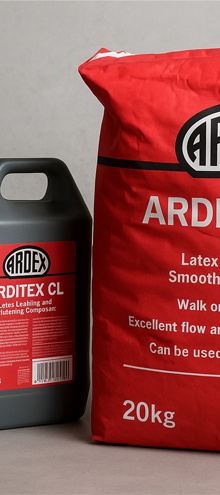
The best adhesive for gluing your engineered wood flooring will vary depending on what material your subfloor is made of. Consider your budget, and research which options work best for your space.
You should now feel more comfortable with gluing engineered wood flooring at home. If you need any assistance with the gluing process, it’s better to get in touch with a professional than to risk making a mistake, so don’t be afraid to contact a flooring service if needed.
If you’re looking for more engineered wood flooring advice, Flooring King has you covered. You can read our guide to refinishing engineered wood to restore its original look, or check out our comparison of engineered wood vs hardwood flooring to help weigh up your options.
Whether you’re looking for simple plank engineered wood floors, or making a bold statement with parquet engineered wood flooring, you’ll find top UK brands at great prices with Flooring King. Browse our wide range of options today and see how you can bring your flooring ideas to life.