


 Pay in 3 interest-free installments


If you’re looking to achieve the look of real wood in your home but can’t decide between laminate and engineered wood flooring, we’re here to help. Our guide will help you weigh up your options to choose the perfect flooring from our range to suit your needs. Read on to find out the key differences between laminate and engineered wood, as well as the pros and cons of each material.
What’s the difference between laminate and engineered wood flooring?
Laminate flooring consists of multiple layers of compressed materials (high-density fibreboard) with a photographic layer that mimics the appearance of wood. A clear wear layer on top protects the image.
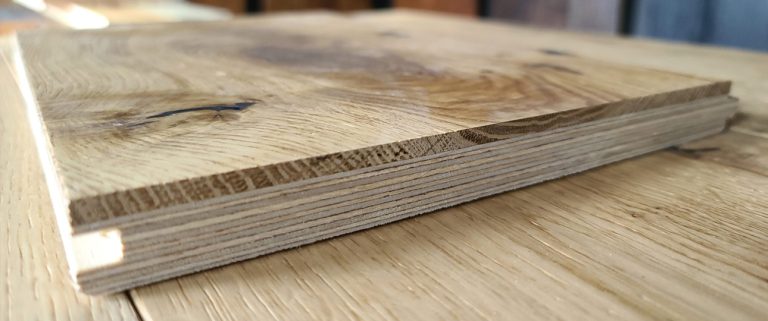
Engineered wood flooring is made from several layers of real wood, topped with a solid hardwood veneer. This structure provides stability and durability while maintaining the natural look of hardwood.
-
Affordable: Laminate is generally cheaper than engineered wood.
-
Durability: It’s highly resistant to scratches, dents, and stains thanks to its tough wear layer.
-
Easy Installation: Most laminate flooring features a click-and-lock system that makes DIY installation straightforward.
-
Low Maintenance: Easy to clean and maintain with regular sweeping and occasional mopping.
-
Less Authentic Look: Despite advances in printing technology, laminate may not look as authentic as real wood.
-
Repair Difficulties: If damaged, laminate boards usually need to be replaced entirely.
-
Cold Feel: Laminate can feel colder underfoot compared to wood.
-
Noise: It can be louder to walk on, especially without proper underlay.
For more information, visit our laminate flooring section.
-
Real Wood Appearance: It looks and feels like solid hardwood due to its top layer of real wood.
-
Stability: Engineered wood is less likely to warp or expand in response to temperature and humidity changes.
-
Refinishing: Depending on the thickness of the veneer, engineered wood can be sanded and refinished once or twice.
-
Versatility: Suitable for installation in kitchens and over underfloor heating systems.
-
Higher Cost: Generally more expensive than laminate flooring.
-
Susceptible to Water Damage: Prolonged exposure to moisture can damage the wood veneer.
-
Maintenance: Requires more maintenance than laminate, including periodic refinishing.
Explore our range of engineered wood flooring options.
Cost of engineered wood vs laminate flooring
Laminate and engineered wood flooring are both cost-effective alternatives to solid hardwood floors, but their prices can vary depending on a few factors.
Laminate
Typically, laminate is a more affordable choice than other flooring materials. With recent innovations, however, there are now specialist designer styles available at a higher price point. Flooring King’s laminate styles start at a price of just £16.89 per square metre, with more high-end options landing in the range of £35-40/sq m.
These more expensive laminate options often feature a more realistic look through an embossed top layer and a simulated wood grain texture, making your flooring feel less artificial. Consider your budget and decide which laminate styles work for you
Engineered wood
Engineered wood flooring typically costs £40-50 for a square metre of materials, making it a more expensive option than laminate. On top of this, you’ll also likely have to pay for professional installation.
If you’re looking to re-style your floors on a budget, then laminate flooring will be kinder on your wallet than an engineered wood floor. However, engineered wood is a cheaper option than other wooden flooring, making it an economical choice if you’re after a realistic wooden feel for your floors.
Installing laminate and engineered wood flooring
The installation process for engineered wood and laminate flooring is very different.
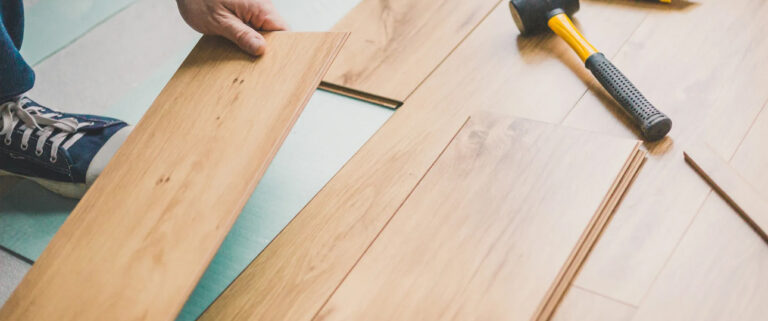
- Laminate is easy to cut to an appropriate size and apply to rooms of any shape or size, and can even be done on your own with the right DIY know-how.
- Wooden floors, meanwhile, are more likely to require a professional service for installation. While engineered wood planks are designed to lock together for a continuous, rigid look, issues when flooring your home can lead to uneven surfaces or gaps in your floors.
For an easy renovation process, and if you’re likely to be replacing your floors after a certain amount of time rather than repairing them, you may want to opt for laminate flooring.
How durable is engineered wood flooring vs laminate?
Both engineered wood and laminate are durable choices for flooring. They’re both able to withstand heavy foot traffic, with protective top layers to prevent damage from a number of sources.
- Laminate floors are resistant to scratches and scuffs, but cannot be refinished or sanded the way that wood options can.
- Engineered wood, on the other hand, isn’t as waterproof as laminate sheets, but can last for years with the right care taken.
With both flooring options being resistant to damage, your durability preference will likely come down to personal choices.
For less maintenance, consider opting for laminate – but for long term quality, think about adding engineered wood to your home.
How suitable are laminate and engineered wood for different rooms?
Being such versatile flooring options, you can easily add laminate and engineered wood to a majority of rooms in your house. Engineered wood, however, is less resistant to moisture and could lead to issues if used in a bathroom.
Both materials are suitable for stairs as well, but engineered wood is typically preferred in this scenario for aesthetic reasons. While laminate is a more affordable option for stairs, some extra considerations will need to be taken with regard to its durability and stair nosing.
Laminate floors can also feel cold in the winter, so consider using engineered wood in rooms where you’d like to preserve warmth – e.g. living rooms and dining rooms.
Cleaning laminate vs. engineered wood flooring
Both laminate and engineered wood are easy to clean, with resistant surface layers that make it simple to wipe up spills or deal with stains. Typically, laminate won’t need to dry after cleaning like engineered wood does, but both are simple to maintain.
Another advantage of engineered wood is that it can be refinished and sanded back just like your regular solid wood flooring. Laminate, however, will need to be replaced in full if damaged. If you’re looking for a longer term investment in your flooring, consider buying engineered wood floors with a protective finish (e.g. lacquer, wood oil, etc.) and sand your panels back if they start to lose their original look.
When comparing laminate and engineered wood for your floors, there are advantages to each option that will depend on your own preferences. Laminate is cost-effective, easy to install, and durable, making it a great choice for flooring your home on a budget. Meanwhile, engineered wood offers an authentic look and feel, and can be refinished to keep it looking fresh for years.
Want to compare yourself? Browse the Flooring King range of laminate and engineered wood flooring today, with free samples available for a hands-on test of our materials. If you’re still deciding on the best flooring choice for your home, talk to one of our experts to help find the ideal floors for you!