Underlay is an important part of laying most flooring. It can cushion your materials against your hard subfloor, provide improved insulation in your room, dampen the sound of footsteps, and more. While some materials can be laid without underlay, it’s widely recommended to use it with a majority of flooring types.
With that being said, you might be wondering if you need underlay for engineered wood flooring. Our guide will explain the benefits of an underlay, as well as the best thickness of underlay for engineered wood flooring:
What is an underlay?
An underlay is a thin layer of protective material placed between your flooring and your subfloor. It’s designed to cushion your flooring materials, so that they don’t get damaged over time by colliding with the hard surface of your subfloor.
Some flooring comes with an underlay already attached, but in most cases, you’ll need to fit a layer yourself before installing your floors. There are also flooring types where an underlay isn’t needed, such as cushioned vinyl flooring.
Underlay is also available in a variety of materials which each have their own properties. Some of the most common types of underlay include foam, natural wool, and rubber.
Does engineered wood flooring need underlay?
When installing engineered wood flooring, whether or not you need underlay depends on what method you use. For example, when gluing your boards directly to the subfloor, you typically won’t need to install underlay. However, if you’re installing a floating floor, underlay is necessary to protect your boards and prevent movement over time.
Since underlay is designed to cushion your flooring materials, floated engineered wood floors with an underlay can feel slightly bouncy to walk on. If you prefer a solid surface for your room, consider using adhesive to bond your engineered flooring directly to the subfloor.
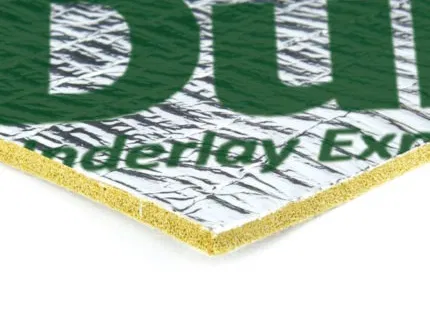
Other benefits of using underlay with engineered wood include protection from moisture damage and mould if using an option with a built in vapour barrier. This is especially useful if you’re flooring a room with a concrete subfloor where moisture is present. Underlay can also help your engineered wood sit more evenly over a subfloor that has small bumps or gaps.
What is the best underlay for engineered wood flooring?
When choosing underlay for your engineered wood floors, look for the following properties to ensure you’re getting the best protection possible:
- Moisture prevention – if your subfloor puts your flooring at risk of moisture damage, consider investing in underlay with a vapour barrier to protect against mould.
- Insulation – underlay can help increase the ambient temperature of your room if it’s too cold, and options with low tog ratings are compatible with underfloor heating.
- Soundproofing – by cushioning footsteps, underlay can help dampen the sound of heavy foot traffic, keeping your home quiet.
- Stability – your underlay needs to be thick enough to keep your flooring stable, but not so thick that it causes discomfort
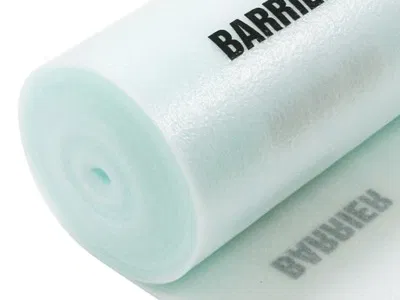
There are also several materials that make strong candidates for wood underlay. Foam is a versatile choice that can help form a moisture barrier to protect your floors from damage, while rubber is particularly good at reducing noise in rooms that receive heavy foot traffic.
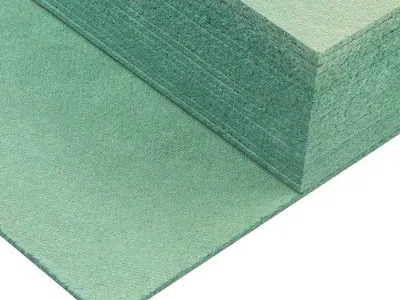
Fibreboard underlay is another common choice, and is especially useful if you’re looking to install your engineered wood on an uneven subfloor. You may also want to invest in cork underlay, which is an environmentally friendly choice made using sustainable materials, providing good insulation and sound dampening.
Wood Underlays
View All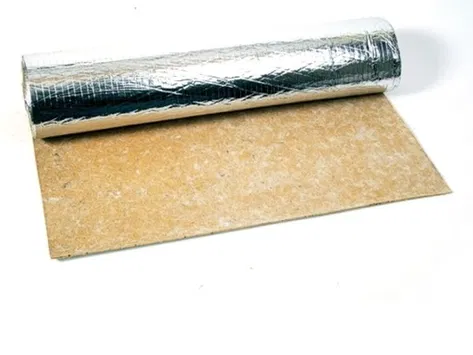




What thickness of underlay should I use for engineered wood flooring?
Finding the right thickness of underlay is important, as getting the wrong balance can cause stability issues and affect your underfloor heating if you have a system in place. Wood underlay should ideally be between 3mm and 5mm thick, although this can vary slightly depending on the thickness of your engineered wood.
Choosing an underlay with a low tog rating can also help heat transfer through your floors more easily. A 3-5mm option is the best thickness of underlay for engineered wood flooring with underfloor heating, but be sure to also keep an eye out for a low tog rating to help your room heat up faster.
Conclusion
You should now know which installation options for engineered wood flooring need a layer of underlay, as well as what to look for when choosing the best options for your flooring.
If you’re trying to find top-quality underlay and engineered wood, Flooring King has you covered. Shop for the UK’s biggest brands at great prices, and pick from a range of designs to suit your home. Whether you’re looking for parquet engineered wood flooring to give your design some prestige, or you’re trying to make a room seem bigger with wide plank engineered wood, you’ll find the perfect product for you in our collection.
Still looking for help? Our engineered wood flooring guide explains all you need to know about this popular flooring material. If you have more questions, you can contact us to speak to a flooring expert – we’re always eager to help bring your flooring ideas to life!