





 Pay in 3 interest-free installments


When it comes to flooring materials, laminate is one of the most popular options for its durability and easy maintenance. However, when your laminate floors start lifting, they can start to cause issues quickly.
Our guide will show you how to fix laminate flooring that’s lifting, as well as explaining the causes behind it, and how you can prevent lifting in the future. We’ll also cover the situations where it’s best to fully replace your laminate if it can’t be repaired. Keep reading for everything you need to know about lifting laminate floors.
Why is my laminate flooring lifting?
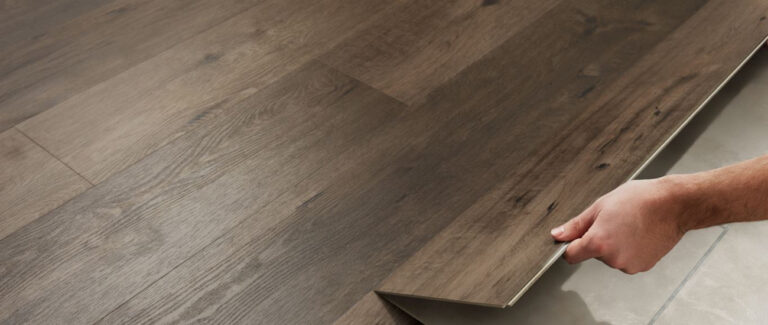
If your laminate flooring feels bouncy or uneven under your feet, it’s likely due to ‘lifting’. This is when your flooring separates from your subfloor and starts to rise, with your boards pushing together to form peaks. This can cause gaps in your flooring, discomfort when moving around, trip hazards, and more.
Laminate shouldn’t be lifting anywhere in your room, so it’s important to address the issue as soon as it arises. Here are a few of the most common causes for a lifting laminate floor:
No expansion gap
Laminate flooring can expand or contract depending on the conditions of your room, so when you’re installing it at home, leaving enough space at the edges of your room for it to move is essential. We call this an ‘expansion gap’, and it can typically range from 8mm to 12mm depending on your manufacturer’s instructions.
To make sure you give your floors enough of an expansion gap, you can use spacers when laying your laminate to keep your boards the right distance from your walls. Expanding laminate floors can start to lift and buckle if they come into contact with any obstacles (walls, pipes, pillars, etc.) so your expansion gap should apply to any area where your floors might collide with another solid object.
Subfloor issues
Before you install your laminate, your subfloor needs to be prepared to ensure your flooring can be laid correctly. Ideally, your subfloor should be as even as possible, with no gaps or bumps that could damage your laminate. You’ll also need your subfloor to be completely level and clean.
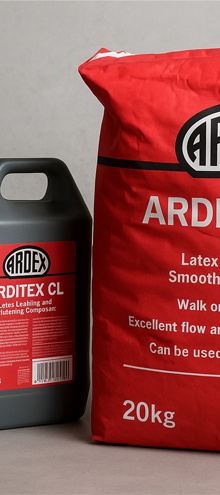
You can use a self-levelling compound to help prepare your subfloor for installing laminate, or for smaller imperfections, sanding can also help to create an even surface for fitting. When cleaning your subfloor, simply vacuum or sweep away any loose dirt and debris, then remove stains or odours with a suitable cleaner. You may also see some leftover adhesive from your previous flooring, so use a scraper to remove any patches before you install a new floor.
Installation mistakes
One crucial step before installing your laminate floor is allowing your boards to acclimate. We’ve already discussed how laminate can shrink or expand depending on your room’s climate, with humidity and temperature being the two main factors that can affect this. If you install new laminate in a room without letting it grow or contract based on its surroundings, your measurements could end up being wrong, which will lead to more issues with buckling and lifting.
Before you install your laminate flooring, leave it to adjust to the conditions of your room for 24 to 48 hours. Your laminate should be removed from its packaging for this process to let it easily adapt to its surrounding climate. Once your boards have acclimated to their new room, you can begin to fit them into place.
Moisture levels
Since laminate is a porous material, moisture particles can pass through it easily. When liquid gets deep into your laminate floors, your boards are likely to expand to make space for it. If your floors don’t have enough space to allow for this, or if they’ve been exposed to too much moisture, they’re very likely to start lifting.
Plumbing issues like overflowing basins and burst pipes can contribute to this problem, but even incorrect maintenance like using a mop that’s too wet can waterlog your laminate. We recommend using a small amount of water when cleaning your laminate to avoid this, and keeping a keen eye on your pipes and sinks if you’re using laminate in an area such as a kitchen or bathroom.
How to fix a lifting laminate floor
If you notice your laminate flooring lifting up, don’t panic. There are a number of ways you can treat lifting without having to fully replace your floors. Here are some of our top tips for fixing a laminate floor that’s lifting:
1. Adjust your expansion gap
If your laminate doesn’t have enough space to expand when the climate of your room changes, it can lead to warping, buckling, and lifting. Measure the expansion gap around your room, and if it’s too small (usually less than 8mm), try trimming a thin strip of laminate around the edges of your room to allow for more space.
2. Fix any water damage issues in your plumbing
We’ve already mentioned that excess moisture can lead to lifting, so if you notice a leak or a burst pipe, call a plumber immediately. Once your laminate stops being exposed to as much moisture, you may notice that it settles back into its original place and stops lifting.
3. Check your underlay
Underlay is an essential component when laying laminate floors, as it cushions your materials against the tough subfloor of your room. If your subfloor has imperfections that aren’t covered by your underlay, or if you’ve used the wrong type when laying your laminate floor, you’ll unfortunately have to replace your underlay. This will mean bringing up your laminate floor, addressing any issues with the underlay layer, then putting it back into place.
4. Call a professional
If you don’t fancy yourself a skilled DIYer, or if you’re unsure what issue is facing your subfloor, you should never be afraid to ask for a helping hand. Professional flooring services have a wealth of experience with treating lifting floors, so they’ll be able to identify your issue and treat it as best as possible. Consider calling a contractor if you’d rather not get involved in the inner workings of your flooring.
How to stop your laminate floor from lifting
To prevent your laminate floor lifting in the future, there are a few steps you can take to make sure your materials are in good health:
- Check your subfloor thoroughly before you install your laminate.
- Allow your laminate to acclimate for 24-48 hours before laying it.
- Keep your room’s moisture levels in check by avoiding spills, excess water, and plumbing issues.
- Ensure you’re buying quality laminate and suitable underlay.
When should you replace a lifting laminate floor?
If you notice extensive damage in your floors, it may be best to replace your laminate rather than trying to treat lifting issues. Laminate typically lasts between 15 and 25 years when treated with the right level of maintenance, so if your floors are starting to get old, it may be time to refresh them.
Some major issues that may lead to a full replacement include cracks in your laminate flooring, extensive water damage, fading, or large gaps in your boards. While you can attempt to fix these yourself, it’s often better to organise a full replacement if these issues are getting too much.
Conclusion
While a lifting laminate floor can cause issues, there are plenty of ways to solve this problem, and you shouldn’t immediately seek out a replacement for your flooring without trying our list of top tips first. You should now know some of the main causes of lifting, as well as the best ways to fix it.
Still looking for the perfect laminate floors for your home? Whether you’re looking for wood laminate , stone effect laminate, or anything in between, Flooring King has the UK’s top brands at brilliant prices. Use our laminate flooring buying guide to help find the perfect materials for your home, or contact us to see how we can make your interior design dreams come true!