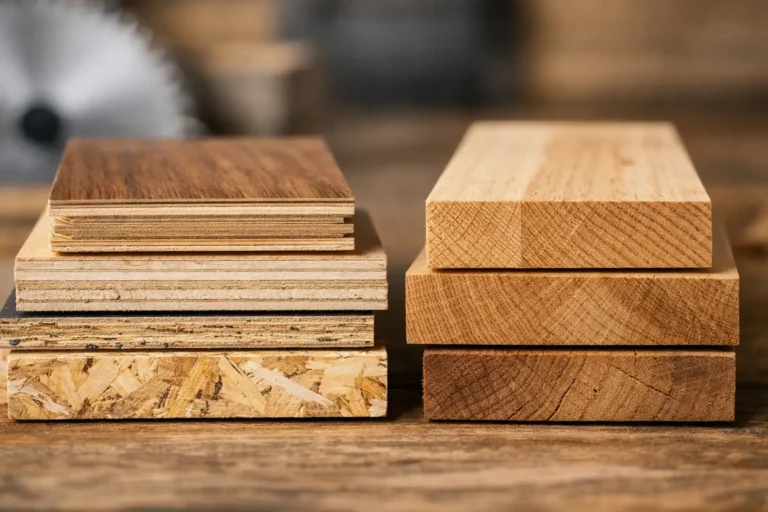
While engineered wood is a popular flooring material choice for its durable nature, accidents are bound to happen, and your planks won’t stay in perfect condition forever. There are a number of issues that can affect engineered wood floors, so it helps to have some DIY knowledge to help fix any damage that appears.
This guide will cover some of the most common signs of wear on engineered floors, with details on how to restore an engineered wood floor to its original quality. Read on for all you need to know about repairing engineered wood flooring.
How to repair scratches on engineered wood
Most engineered wood comes with a wear layer to protect against some surface layer damage, but scratches can affect the authentic wood grain finish of your floors. To clear scratches from your engineered flooring, you’ll need:
- Damp cloth
- Wood stain or wood filler
- Fine-grit sandpaper
- Protective finish
Once you’ve gathered your tools, follow these simple steps:
- Examine the scratch to see how deep it runs. Small scratches can be treated with wood stain or touch-up markers, while deeper scratches may require a filler.
- Gently sand the scratch with sandpaper, following the direction of your wood grain.
- Wipe the sanded area down with a damp cloth to remove sawdust.
- Apply your filler, stain, or marker, ensuring you use an option that matches the style of your wood. Remember to follow the wood grain when applying for the best results.
- Once your filler is dry, buff the area around the scratch for an even repair.
- Apply another layer of protective finish to replace any damage to your engineered wood’s wear layer.
How to repair dents in engineered wood
It’s hard to maintain a completely even look for your engineered wood floors, but major dents can be a distraction from the great looks of your flooring, and can lead to issues when moving objects along your planks. Luckily, it’s usually possible to undo the effects of a dented board. Here’s what you’ll need for restoring engineered wood flooring when it’s been dented:
- Cloth
- Hot iron
- Wood putty and putty knife(for bigger dents)
- Sandpaper
- Protective finish
When repairing a small dent in your engineered wood, follow these steps:
- Apply a few drops of water to the dented area
- Cover the dent with a cloth.
- Using a hot iron, apply heat to the dented area, being sure to test an inconspicuous area of your floors first to check that no damage will occur.
- Move your iron in a circular motion to drag the dent upward,
- Repeat the process until your dent is smoothed out.
- Leave the affected area to dry, as some wood may appear temporarily changed in colour.
For larger dents, wood putty will usually need to be applied. Here’s how to fill a major dent in an engineered wood floor:
- Clean the dented area of any debris.
- Apply a wood putty to the dented area with a putty knife, ensuring it matches the look of the rest of your wood. Wood putty shrinks in size as it dries, so you should overfill your dent slightly for the best results.
- Allow the putty to dry, then sand the area for a smooth look.
- Coat the affected area with a small amount of protective finish to restore your wear layer.
How to repair gouges in engineered wood
Gouges cover a wider area than dents, and typically run much deeper. Luckily, you can follow a similar process to filling a large dent when fixing a gouge, but care is still needed to avoid affecting your flooring. Here are the tools required to fill a gouge in your engineered floor:
- Damp cloth
- Wood filler
- Sandpaper
- Protective finish
Now that you’ve gathered everything you need, follow this process to repair your gouged area:
- Clean the surrounding area with a damp cloth to remove any dirt or debris.
- Fill the gouge with an appropriate wood filler that matches the pattern of the rest of your wood. Remember to follow the manufacturer’s instructions closely.
- Allow the filled area to dry completely, then gently sand it to ensure an even finish.
- Reapply a protective finish to prevent future damage to the affected area.
When to replace your engineered wood flooring
In the event of a deep dent or gouge, it may be necessary to install new engineered wood rather than applying a filler. You can replace individual planks rather than your whole floor by removing the affected area, trimming the tongue or your replacement plank if needed. You can then glue down your engineered wood, ensuring you form a tight fit as this will avoid gaps in your floors.
Conclusion
You should now know how to repair damaged engineered wood floors that have been affected by a range of common issues. Remember that it’s always advised to consult a professional for any DIY tasks you don’t feel confident in, as this can help prevent further damage to your floors.
If you’re looking for the perfect engineered wood floors for your home, consider browsing Flooring King’s extensive collection of materials. Whether you’re searching for kitchen engineered wood or hoping to redecorate with engineered floors for your living room, we’ve got you covered with the best prices on top brands.
For further advice, you can read our engineered wood cost guide to better understand the budget for redecorating with an engineered floor. You can also read more about protecting your floors from other issues, such as removing water stains from engineered wood.