The hallway takes the first hit from wet shoes, loose grit, school bags, pushchairs and the occasional dropped set of keys. That is why the top hallway flooring choices need more than a good-looking finish. They need to cope with regular footfall, be easy to clean and work with the way your household actually comes and goes.
A pale timber effect may make a narrow entrance feel brighter, while a darker tone can disguise the marks of a busy family home. The right answer depends on whether your priority is waterproof protection, a warm welcome underfoot, authentic wood character or a low initial spend. Start with performance, then narrow your options by colour, plank or tile format, fitting method and budget.
What a hallway floor needs to handle
Unlike a bedroom, a hallway is a transition space. It can be cold, damp and abrasive, particularly in UK homes through autumn and winter. Fine grit carried in on footwear is the main enemy of many floors: left in place, it acts like sandpaper under shoes and can gradually dull a surface.
Look for a finish designed for frequent cleaning and a floor that will not be unsettled by occasional splashes from umbrellas or muddy paws. A good entrance mat helps every material last longer, but it should not be used to compensate for a floor that is unsuitable for the space.
Also consider the route through the house. An open-plan hallway that runs into a kitchen or living room often benefits from one continuous floor. In a compact Victorian terrace, a patterned tile-effect design can create definition without making the entrance feel crowded.
Top hallway flooring choices compared
Luxury vinyl tile for realistic, waterproof practicality
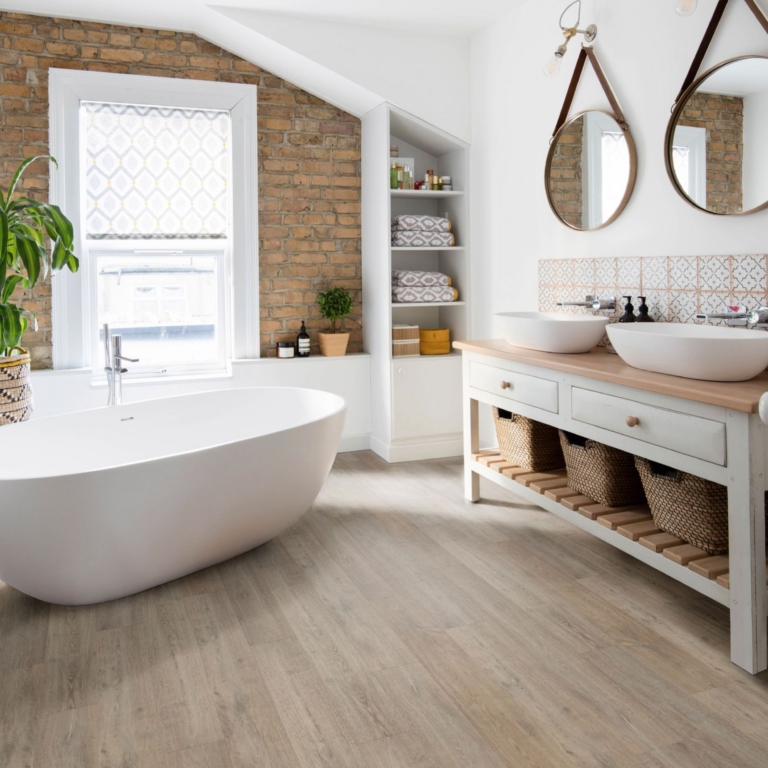
LVT is often the strongest all-round option for a hallway. It is waterproof, durable and realistic, with wood and stone designs that suit everything from period properties to new-build homes. It is also warmer and quieter underfoot than ceramic or porcelain tile, which matters in an entrance used early in the morning and late at night.
For household hallways, check the wear layer as well as the appearance. This transparent protective layer sits above the decorative design and helps the floor resist scuffs and day-to-day wear. A thicker wear layer is generally the sensible choice for very busy homes, rental properties and entrances shared with pets or children.
Click LVT is useful where you want a faster floating installation over a suitable, level subfloor. Rigid-core SPC options have a stable, solid feel and can be a practical choice over minor subfloor imperfections, although they still require proper preparation. Glue-down LVT is thinner and can deliver a particularly neat result around door frames, awkward corners and continuous areas. It needs a smoother subfloor and more careful fitting, but it is a dependable long-term route for high-traffic spaces.
The trade-off is cost. Better-quality LVT and professional subfloor preparation can cost more upfront than entry-level alternatives. In return, you get a surface that is straightforward to maintain and less likely to be troubled by the wet footwear that comes with a British winter.
Laminate planks for a sharp, budget-conscious finish
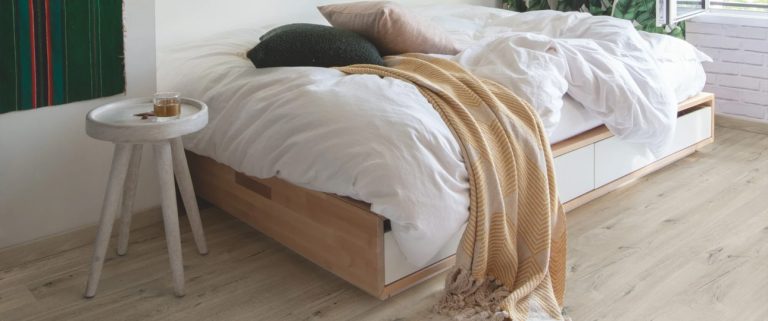
Modern laminate can give a hallway the look of timber at a more accessible price. Embossed surface textures, bevelled edges and longer plank formats make higher-specification designs look far more convincing than older laminate floors.
For a hallway, choose a product specifically rated for the expected level of domestic traffic and pay close attention to its moisture protection. Water-resistant laminate ranges offer greater protection from everyday spills and wet shoes than standard boards, but they are not the same as waterproof LVT. Water should still be wiped up promptly, especially around joins and perimeter edges.
A quality underlay can reduce sound and improve the feel underfoot where the manufacturer permits it. Do not assume that any underlay will do: using the wrong type can affect the locking system and may invalidate a product warranty. Expansion gaps, trims and a correctly prepared subfloor are equally important, as hallway doorways are often where poor fitting becomes most visible.
Laminate makes sense for households that want a realistic wood look and need to keep a close eye on spend. It is less forgiving than LVT if the entrance regularly sees soaked coats, dripping boots and poor matting.
Engineered wood for natural character
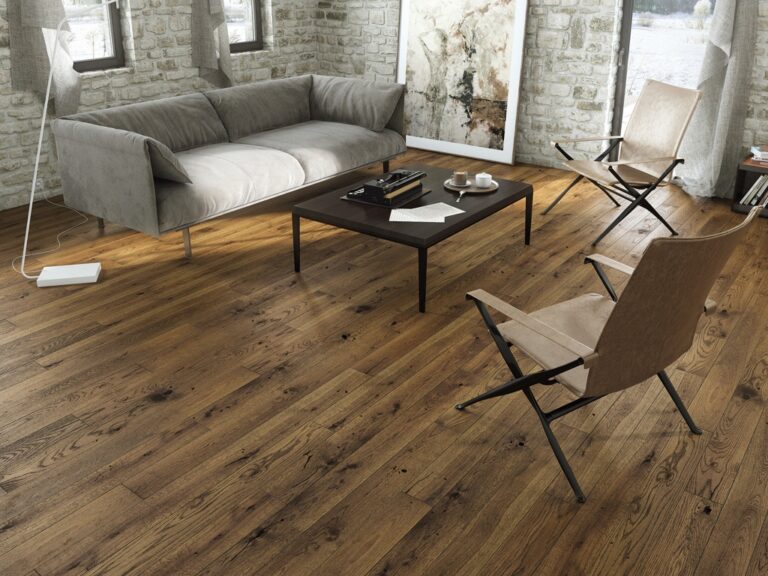
Engineered wood brings genuine timber into the hallway, with a real wood top layer rather than a printed design. Oak remains a popular choice because it works with both traditional and contemporary interiors, and its natural variation means small marks are often less obvious than on a perfectly uniform surface.
It is worth being realistic about the maintenance. Wood reacts to changes in humidity and does not welcome standing water, so an engineered floor is best for a hallway with reliable matting and a household that will wipe up moisture quickly. A matt or brushed finish is often more practical than a high-gloss surface, as it is less likely to show scratches, dust and everyday scuffs.
Construction matters too. A thicker real-wood wear layer can offer more scope for refurbishment in the future, while the total board thickness affects transitions into neighbouring rooms. Fitting method depends on the product and subfloor: some boards click together as a floating floor, while others are designed to be bonded down for a firmer feel.
Choose engineered wood when its warmth and authentic grain are priorities, not when you want a completely carefree entrance floor. It rewards sensible maintenance with a finish that develops character over time.
Sheet vinyl for simple coverage and easy cleaning
Sheet vinyl is a practical answer for busy utility-style entrances, rental properties and homes where value is the main concern. Because it is supplied in a roll, it can cover a small hallway with few or no joins. That makes cleaning simple and reduces places where dirt can settle.
There are convincing wood, stone and patterned designs available, including options that can bring a traditional tiled look without the cold surface or individual grout lines. Cushion-backed versions can feel softer underfoot too.
The key limitation is resistance to damage from sharp impacts or heavy furniture dragged across the floor. It is also less likely to deliver the depth and detail of LVT or real wood. However, for a small entrance that needs an affordable, wipe-clean finish, sheet vinyl is difficult to overlook.
Carpet for warmth and quieter arrivals
Carpet is still a sensible hallway choice in the right property, especially upstairs landings and entrance halls that lead directly to carpeted stairs. It softens sound, feels warm underfoot and can make a hard-surfaced home feel more settled.
Choose a hard-wearing twist pile or a loop construction suited to heavy domestic use, rather than a deep, luxurious pile that will show flattening quickly. Flecked, heathered and mid-tone colours are practical because they conceal everyday debris better than very light plains. If there are pets with claws, take care with loop piles, which can snag.
Carpet asks more of you at the front door. A substantial doormat, regular vacuuming and prompt attention to muddy marks are essential. It is not the best fit for a household where children or dogs routinely arrive home wet, but it can be an excellent choice for a dry, sheltered hallway where comfort is more valuable than waterproof performance.
Choosing the right colour and layout
Hallways tend to have limited natural light, so colour has a bigger effect here than in many other rooms. Light oak and pale stone effects can make a narrow space feel more open, but very pale floors reveal black grit and scuff marks sooner. Mid-oak, natural beige, warm greige and mixed-tone patterns are often the most forgiving choices.
Plank direction can change the perceived shape of the room. Running planks along a long corridor typically emphasises length, while laying them across a particularly narrow hall can make it appear wider. Herringbone LVT or laminate creates instant impact but produces more cuts and waste, so allow for this in the quantity calculation and fitting budget.
If your hallway connects to several rooms, consider thresholds early. Matching profiles create a cleaner finish and help manage small differences in floor height. This is particularly relevant when replacing carpet with a hard floor, as the existing levels may not align.
Do not skip subfloor preparation
The best hallway floor will only perform as well as the surface beneath it. Uneven subfloors can make click joints work loose, cause movement underfoot and show through thinner floor coverings. Old adhesive, loose boards, dips and high spots should be addressed before fitting.
Concrete needs to be dry enough for the chosen product, while timber subfloors may need securing or overboarding to create a stable base. Hallways are often compact, which can make preparation seem unnecessary. In reality, the narrow space, multiple doorways and visible edges leave very little room to hide an imperfect finish.
Order samples before committing. Look at them beside your wall colour, front door and skirting in both daylight and artificial light. Flooring King offers up to three free no-obligation samples, giving you a useful chance to compare texture, shade and slip feel where it matters most: by your own front door.
A hallway floor earns its place in the first few muddy minutes of a winter afternoon. Choose one that suits that reality, add effective matting and give it the preparation it needs – then the welcome home will keep looking the part.