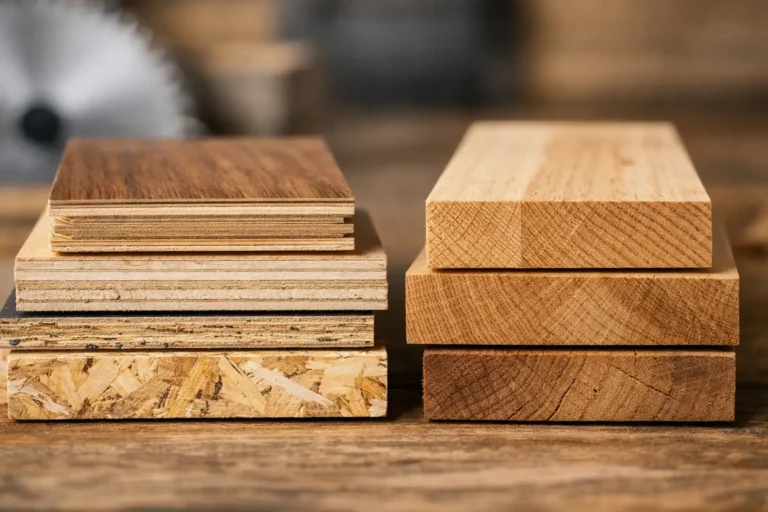
Many flooring materials need to be protected from your subfloor when they’re installed using a layer of underlay. This added protection can be the difference between a long-lasting, top-quality floor and an uneven surface that will need replacing quickly.
Our guide will focus on whether underlay is needed for laminate flooring, which is known for its durability, straightforward installation, and low cost. We’ll cover the properties that make for a great laminate underlay, as well as giving some examples of the best underlay for laminate. By the time you’ve finished reading, you should hopefully have everything you need to make a choice about your laminate’s underlay.
Does laminate flooring need underlay?
Yes, like most other solid flooring choices, laminate flooring needs an underlay to protect it from the hard subfloor underneath your room. While you should always ensure your subfloor is as clean, even, and level as possible before laying your flooring, a layer of underlay can help cushion your laminate flooring against imperfections and areas where damage is likely.
There are some exceptions to the rule when it comes to underlay. For example, some vinyl doesn’t need underlay as it already comes with a layer of cushioning. However, all types of laminate flooring are likely to require some kind of underlay when installing.
Why does laminate flooring need underlay?
As with most other floors, laminate needs an underlay to increase its longevity and durability. The more that your flooring is walked on, the more it will make contact with the hard subfloor that it is covering. Over time, bumps in your subfloor can cause cracks and gaps in your laminate, and an underlay can help to cushion this contact.
The soft layer provided by an underlay can also help to insulate your room, keeping it warm and giving your floors a more comfortable underfoot feel. Additionally, underlay can improve the sound dampening of your room, which is especially useful if your home life is particularly hectic.
What makes a good underlay for laminate flooring?
There are a few key factors to consider when it comes to finding the best underlay for laminate in your home. Here are some things to look for when you’re browsing your options:
- Subfloor type – Depending on what material your subfloor is made of, you’ll need to focus on different priorities with your underlay. Concrete subfloors, for example, can retain moisture, so an underlay with a moisture barrier becomes more important when dealing with these. Meanwhile, wooden subfloors can creak and move, so a thick underlay will prevent this.
- Insulation – If your room is particularly cold, or if you’re looking to cut down on energy bills, keep an eye out for underlay with good insulation properties. Foam and felt are particularly strong candidates for regulating a room’s temperature.
- Sound dampening – Soundproofing is especially important for your peace of mind if you have a hectic home life with children or noisy housemates. Thicker underlays are usually better at dampening sound, and materials like rubber are ideal at blocking noise.
- Underfloor heating – If you have an underfloor heating system beneath your laminate, look for underlay with a low tog rating (ideally below 1.0) to allow for better heat transfer.
- Sustainability – It’s more important than ever to be kind to the environment, so using recycled rubber or organic materials like felt can help to cushion your laminate without affecting our planet.
What is the best underlay for laminate flooring?
Now that we’ve covered some of the key details to look for, here are some of the most common materials you’ll find for laminate underlay:
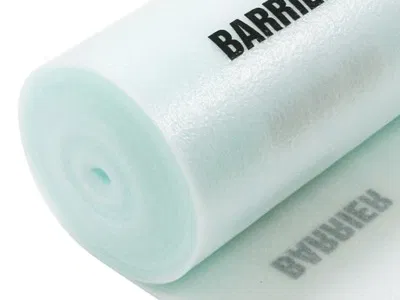
- Foam underlay – lightweight and affordable, offering relatively limited cushioning and sound dampening.
- Rubber underlay – great at noise dampening and cushioning, durable, and resistant to moisture.
- Felt underlay – dense underlay that’s great for sound dampening and thermal insulation, which can also reduce the sound of footsteps.
- Cork underlay – great for combatting damp and mould, as well as providing extra warmth.
- Fibreboard underlay – ideal for protecting against subfloor imperfections, and provides strong insulation and sound dampening.
- Underlay with Damp Proof Membrane (DPM) – strong choice for concrete subfloors as it’s designed to protect against moisture.
Laminate Flooring Underlays
View All
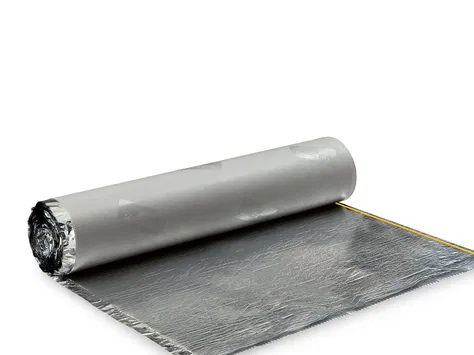

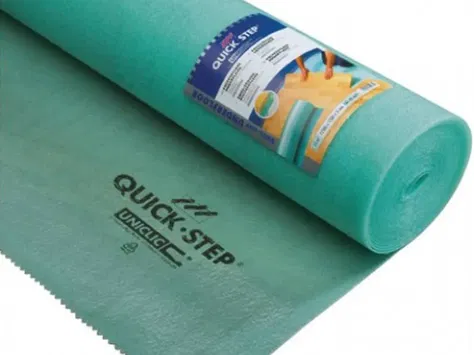
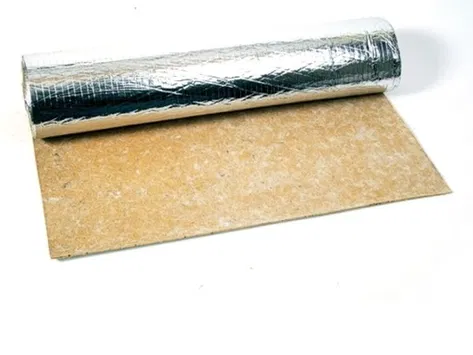


Now that you understand the importance of underlay for laminate flooring, you can protect your floors against future damage and enjoy quality comfort for longer. If you still need advice with choosing the right option for you, you can read our laminate flooring buying guide to weigh up your choices, or our laminate flooring thickness guide to make sure your boards are the right size.
Whether you’re looking for living room laminate, or laminate flooring for your kitchen, you’ll find the best UK brands at affordable prices with Flooring King. Get in touch with our experts today to see how we can help you give your home the perfect finishing touch!