A floor can look like pale oak, slate or herringbone parquet and still be built for wet shoes, spilled squash and the pressure of a busy household. So, what is SPC flooring? It is a rigid type of luxury vinyl tile with a stone polymer composite core, designed to deliver a stable, hard-wearing floor with realistic designs and practical water resistance.
SPC has become a popular choice for kitchens, bathrooms, hallways and open-plan living areas because it combines the look of natural materials with a click-together fitting system. The detail that matters is not just the design on top. It is the construction underneath, the wear layer, the underlay requirement and whether the specification suits your room.
What does SPC flooring mean?
SPC stands for stone polymer composite, although it is also commonly called stone plastic composite. The core is made from PVC blended with mineral content, usually limestone. This creates a dense, rigid board that is less flexible than many traditional vinyl floors.
Most SPC planks and tiles are made up of several layers. At the base is an attached underlay on many products, often made from IXPE or EVA foam. Above this sits the rigid SPC core, followed by the decorative film that gives the floor its wood, stone or tile effect. A transparent wear layer protects that design, while a surface coating helps with day-to-day scuffs and stains.
This layered build is why two floors that look similar in a photograph can perform very differently. Check the full product specification rather than choosing on colour alone.
Why the SPC core makes a difference
The mineral-rich core gives SPC flooring its defining quality: rigidity. A rigid plank feels more solid underfoot than a softer vinyl format and can help disguise minor imperfections in a properly prepared subfloor. It is also dimensionally stable, which is useful in rooms where temperatures and moisture levels can change.
That does not mean SPC is a cure for an uneven floor. High spots, deep dips, loose boards and damp problems still need attention before fitting. Click joints need a flat, sound surface to lock together correctly. If the subfloor moves or is badly uneven, the joints can be put under strain and may separate or damage over time.
SPC is also quieter and warmer than ceramic tile, particularly when it has a quality integrated underlay. However, it will not feel as soft as carpet, and it can still sound firm under hard footwear. For upper-floor rooms or flats, check the product’s acoustic rating and the building’s sound-control requirements before ordering.
Is SPC flooring waterproof?
The SPC core and vinyl surface are waterproof, which makes this flooring well suited to everyday splashes, muddy paw prints and bathroom humidity. It is a practical option where natural wood would be a poor fit.
There is an important distinction, though. Waterproof planks do not make the entire room waterproof. Water can still find its way around the perimeter, through gaps around pipes or beneath an incorrectly fitted floor. A major leak should be dealt with promptly, and SPC should not be treated as a substitute for proper bathroom tanking or a watertight wet-room installation.
For kitchens, family bathrooms, utility areas and entrance halls, SPC offers a very reassuring balance of easy cleaning and hard-wearing performance. In a shower room, commercial wash area or any setting with regular standing water, choose a product and installation method specifically rated for that environment.
SPC flooring explained: wear layers and thickness
When comparing SPC products, the wear layer is one of the most useful numbers to understand. Measured in millimetres, it is the clear protective layer above the printed design. A thicker wear layer generally offers better resistance to abrasion, making it a sensible priority for halls, active family homes, rental properties and commercial spaces.
For lighter domestic use, a 0.3mm wear layer may be suitable. A 0.55mm wear layer is a stronger choice for high-traffic residential areas and many commercial applications, provided the manufacturer’s usage classification supports it. Thickness matters too, but it should not be viewed in isolation. A thicker plank can feel more substantial and may offer a deeper click profile, yet core quality, wear layer and fitting preparation remain just as important.
Look for practical details alongside the headline thickness: the plank or tile dimensions, integrated underlay, bevelled edges, slip resistance, compatibility with underfloor heating and the stated domestic or commercial guarantee. These are the details that turn a good-looking sample into a sensible purchase.
Where does SPC flooring work best?
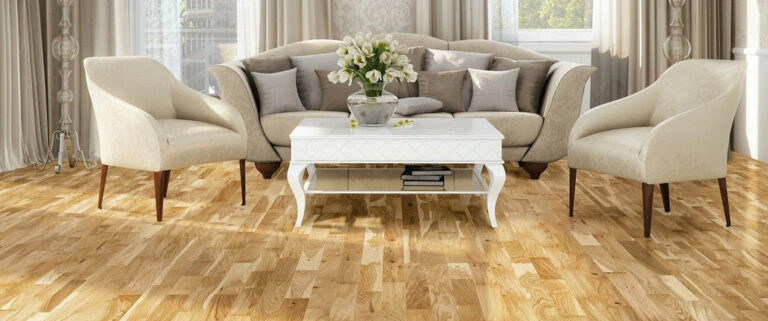
SPC is particularly useful in rooms that need to work hard without looking overly practical. A wood-effect plank can bring warmth to a kitchen-diner, while stone-effect tiles give bathrooms and utility rooms a clean, modern finish without the cold feel or grout maintenance of ceramic tiles.
In a hallway, its scratch and stain resistance is helpful for shoes, pushchairs and pets. In a living room, it offers a realistic timber appearance with less concern over spilled drinks. For landlords and renovators, click-fit SPC can also be an efficient choice where a durable, easy-clean finish is needed across several rooms.
It depends on the room, however. Bedrooms are often better judged on comfort and quietness, so a softer floor covering may be preferable. Conservatories and rooms with intense direct sunlight need careful product selection because heat build-up can affect any click floor. Always follow the manufacturer’s guidance on maximum temperatures, expansion gaps and blinds or shading where required.
How is SPC flooring fitted?
Most SPC flooring uses a click-lock system. The planks or tiles connect along their edges to form a floating floor, meaning they are not normally fixed directly to the subfloor. This can make fitting quicker than adhesive-based installations, especially for competent DIYers, but accurate preparation still decides the result.
The floor should be acclimatised if the manufacturer requires it, then fitted on a clean, dry and level base. Depending on the product, an additional underlay may be unnecessary or even unsuitable if one is already attached. Adding the wrong underlay can make the floor feel unstable and may affect the warranty.
Leave the specified expansion gap around walls, door frames, pipes and fixed units. Do not trap a floating floor beneath kitchen cabinets or heavy fitted furniture unless the fitting instructions explicitly allow it. Door thresholds and trims should finish the edges neatly while allowing the floor to move as designed.
If you are fitting over existing flooring, do not assume it is automatically suitable. Stable, smooth surfaces may be acceptable, but soft coverings, loose tiles and uneven timber boards generally need removing or preparing first. A moisture test is wise over concrete and screeded subfloors, particularly in newer properties or ground-floor rooms.
SPC flooring versus other vinyl formats
SPC is one branch of the luxury vinyl family, not a universal replacement for every type. Its rigid core makes it strong and stable, and the click system is convenient for many homes. But it can be less forgiving underfoot than glue-down LVT, which is thinner, fixed firmly to the subfloor and often preferred for intricate layouts or areas with heavy rolling loads.
Glue-down LVT also follows the contours of the subfloor more closely, so preparation has to be especially precise. SPC can handle very slight subfloor variation better, but it should never bridge serious defects. If you want a low-profile floor around existing doors or appliances, a thinner glued product may also be the better option.
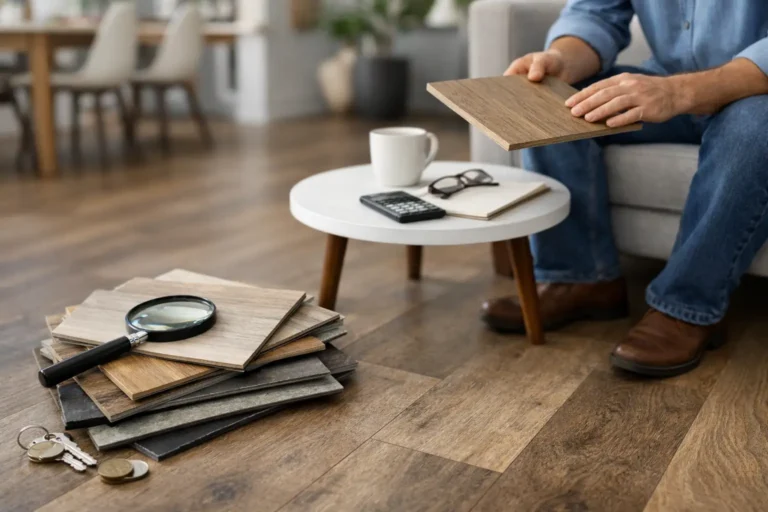
The right choice comes down to the room, the condition of the subfloor, the desired fitting method and how the space will be used. A free sample is useful here: it lets you assess the colour in your own light, feel the texture and compare the plank thickness before committing.
Cleaning and caring for SPC flooring
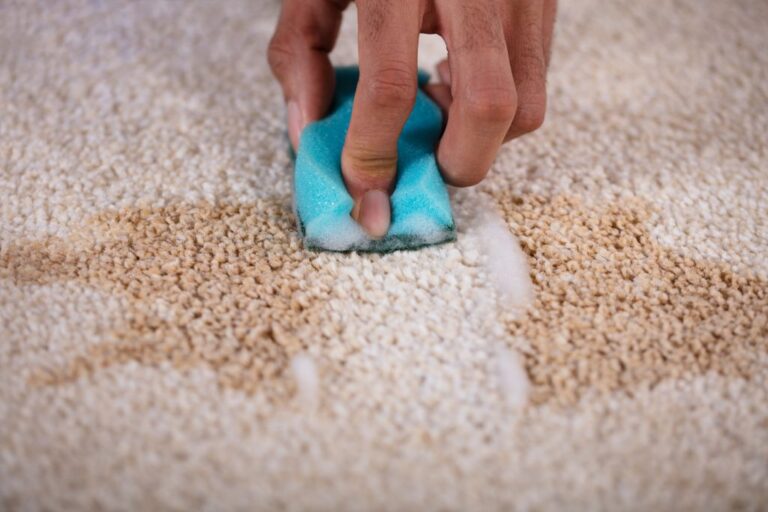
SPC is straightforward to maintain. Vacuum with a hard-floor setting or sweep regularly to remove grit, then use a well-wrung mop with a cleaner approved for vinyl flooring. Wipe spills rather than leaving them to sit, especially around joins and room edges.
Avoid soaking the floor, steam mops, abrasive powders and harsh solvent cleaners. Use felt pads beneath furniture, lift rather than drag heavy items, and place mats at external doors. Choose mats without rubber or latex backings where the manufacturer advises this, as some backing materials can mark vinyl surfaces.
A good SPC floor should make everyday life easier, not add another maintenance job to the list. Start with the room, check the wear layer and fitting guidance, and order samples to see which finish earns its place in your home.